DIGITAL MEMORIES IN MOTION
Freelance Photography & Video Specialist
VATcave . VideoAudioTV Home Theaters (See details below)
ERIC TOMAKIN 410.491.6237 videovp@gmail.com 702.955.4340
Portfolio
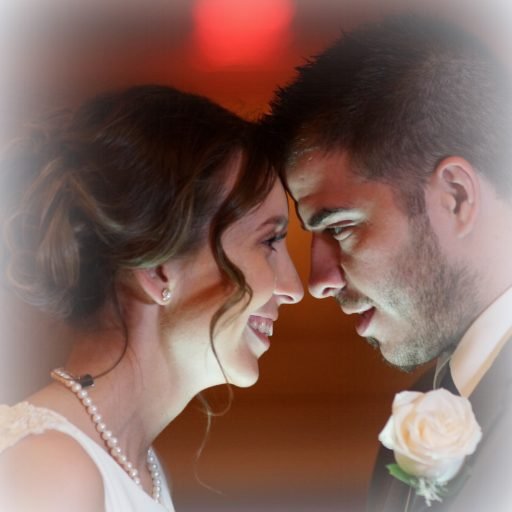
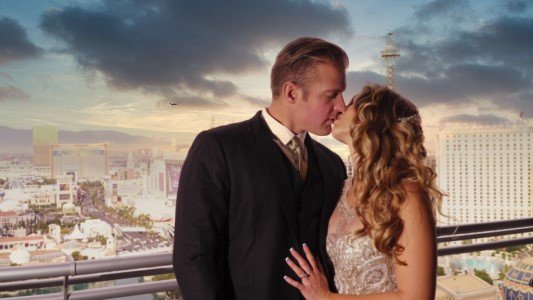
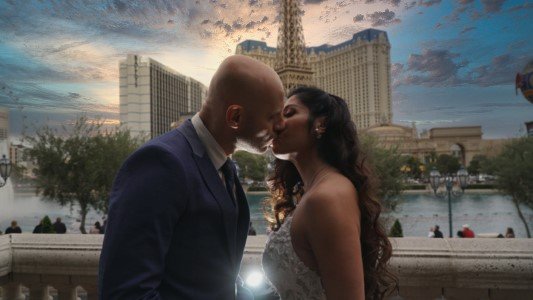


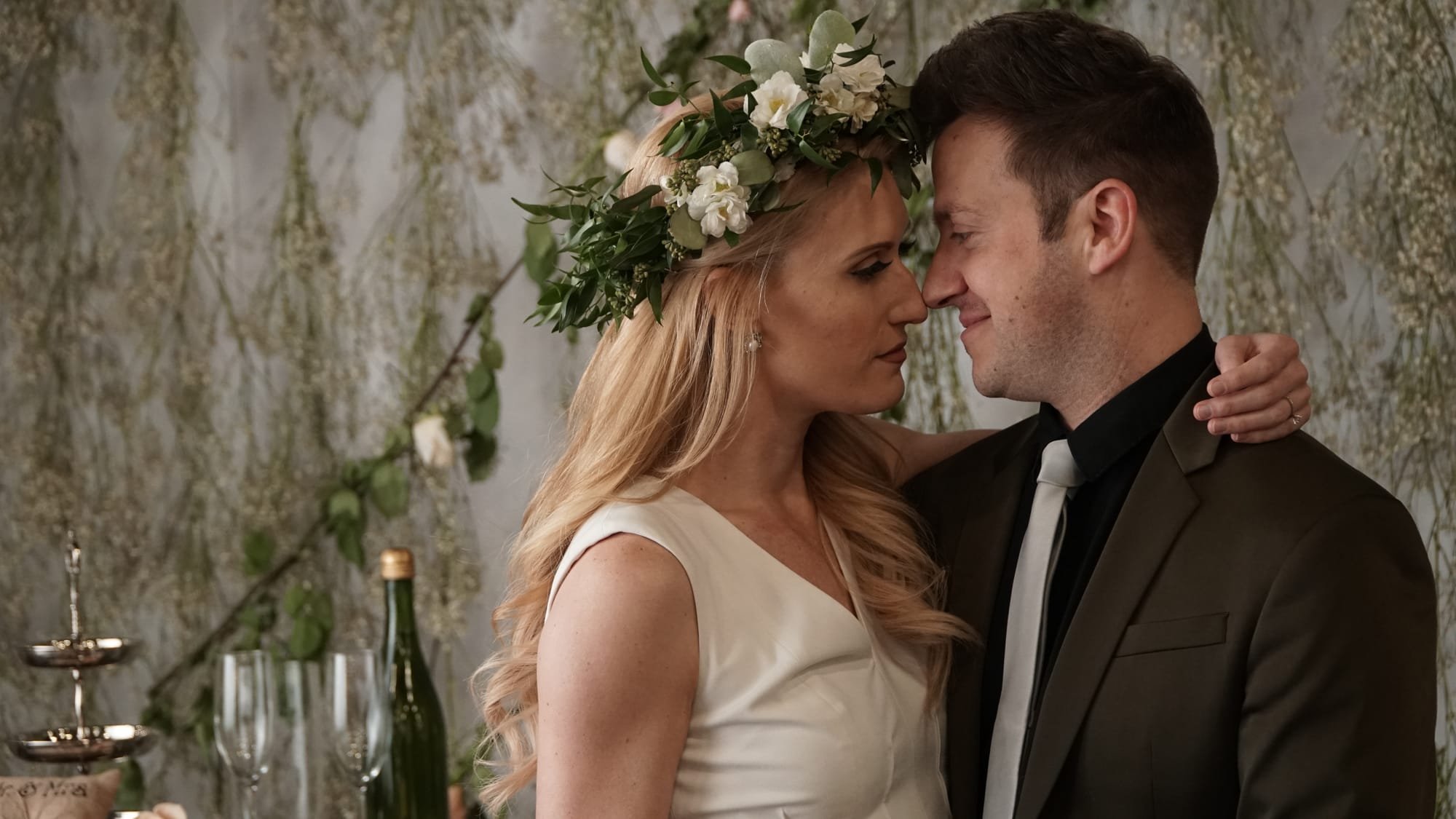
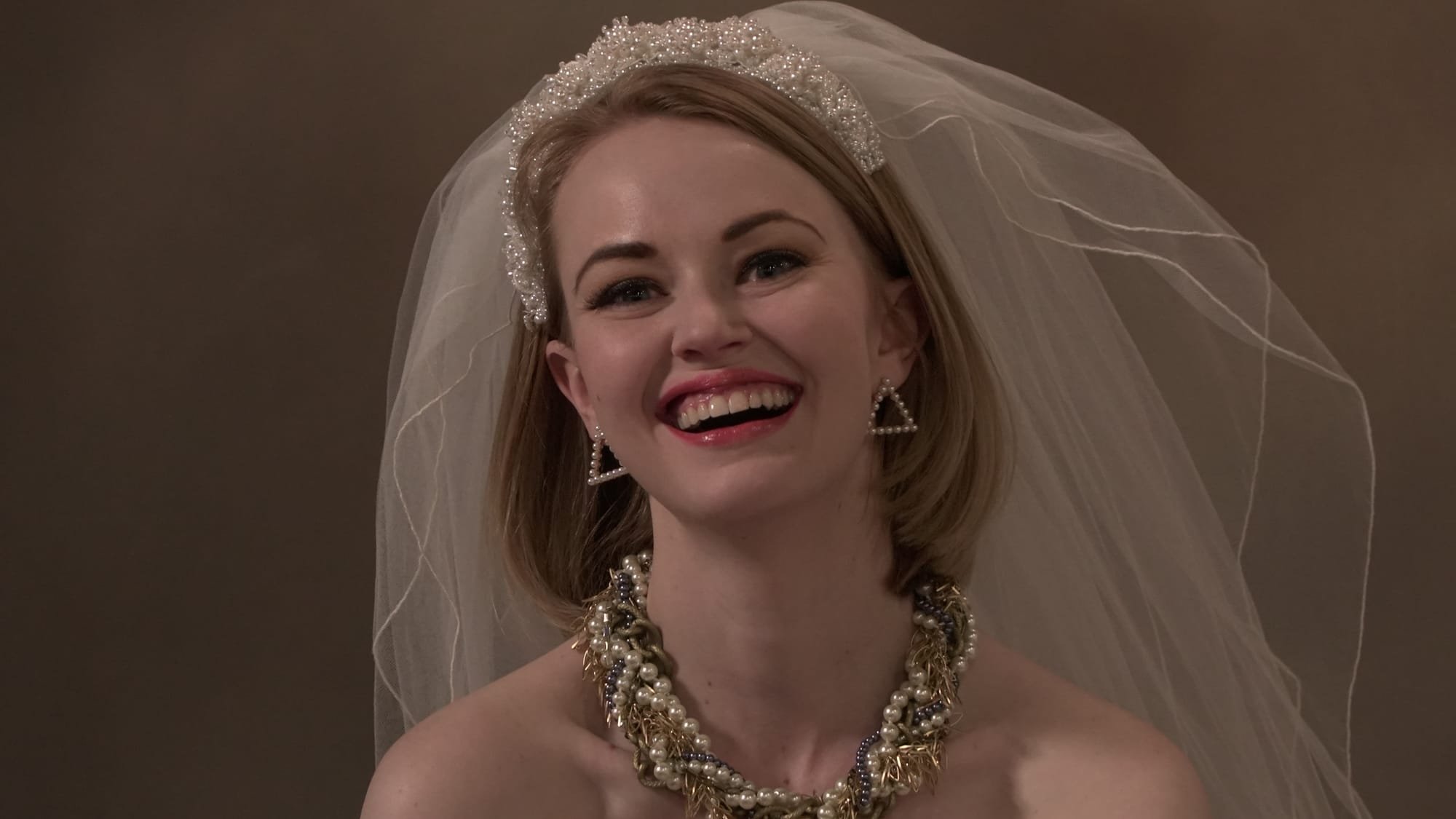
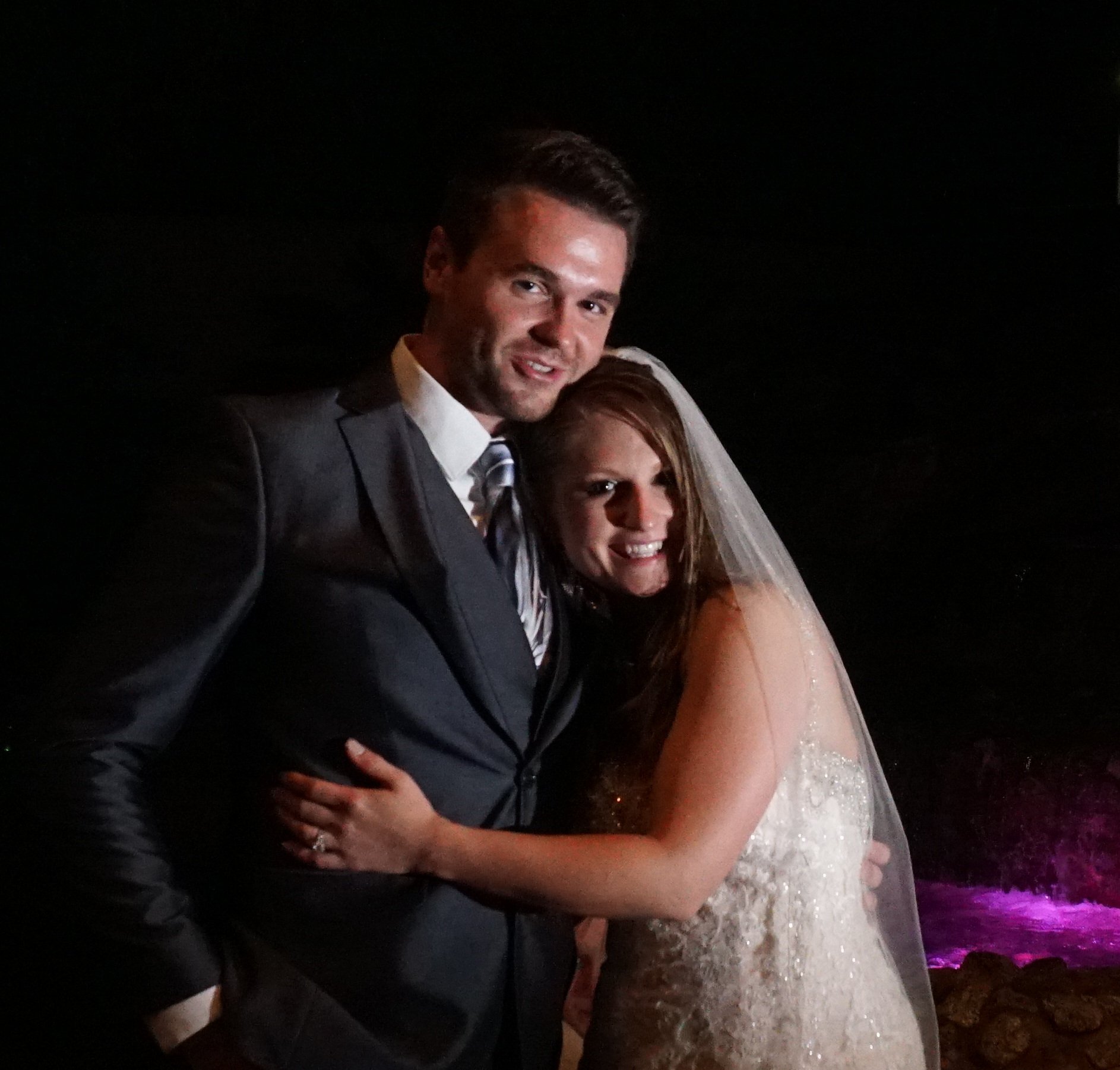
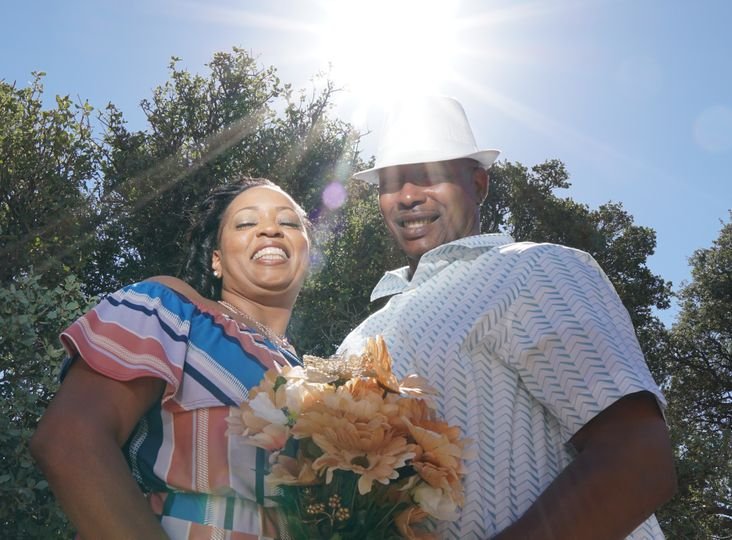

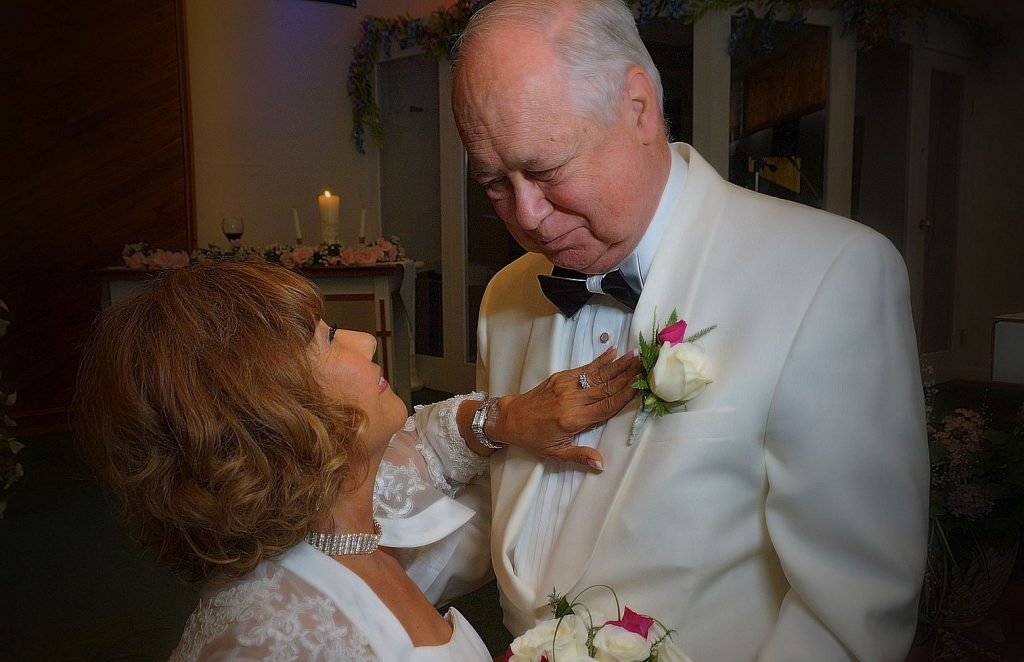
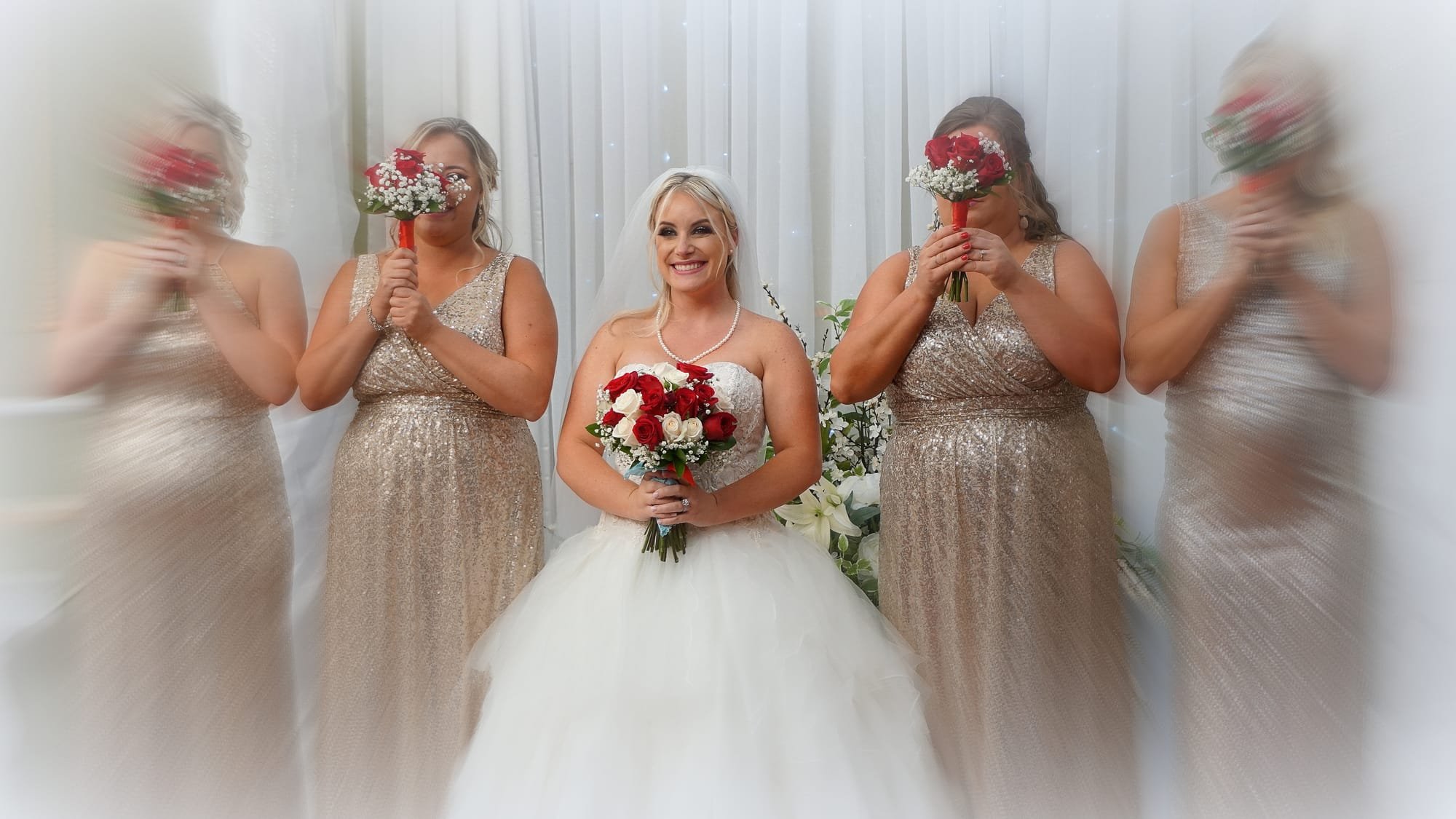
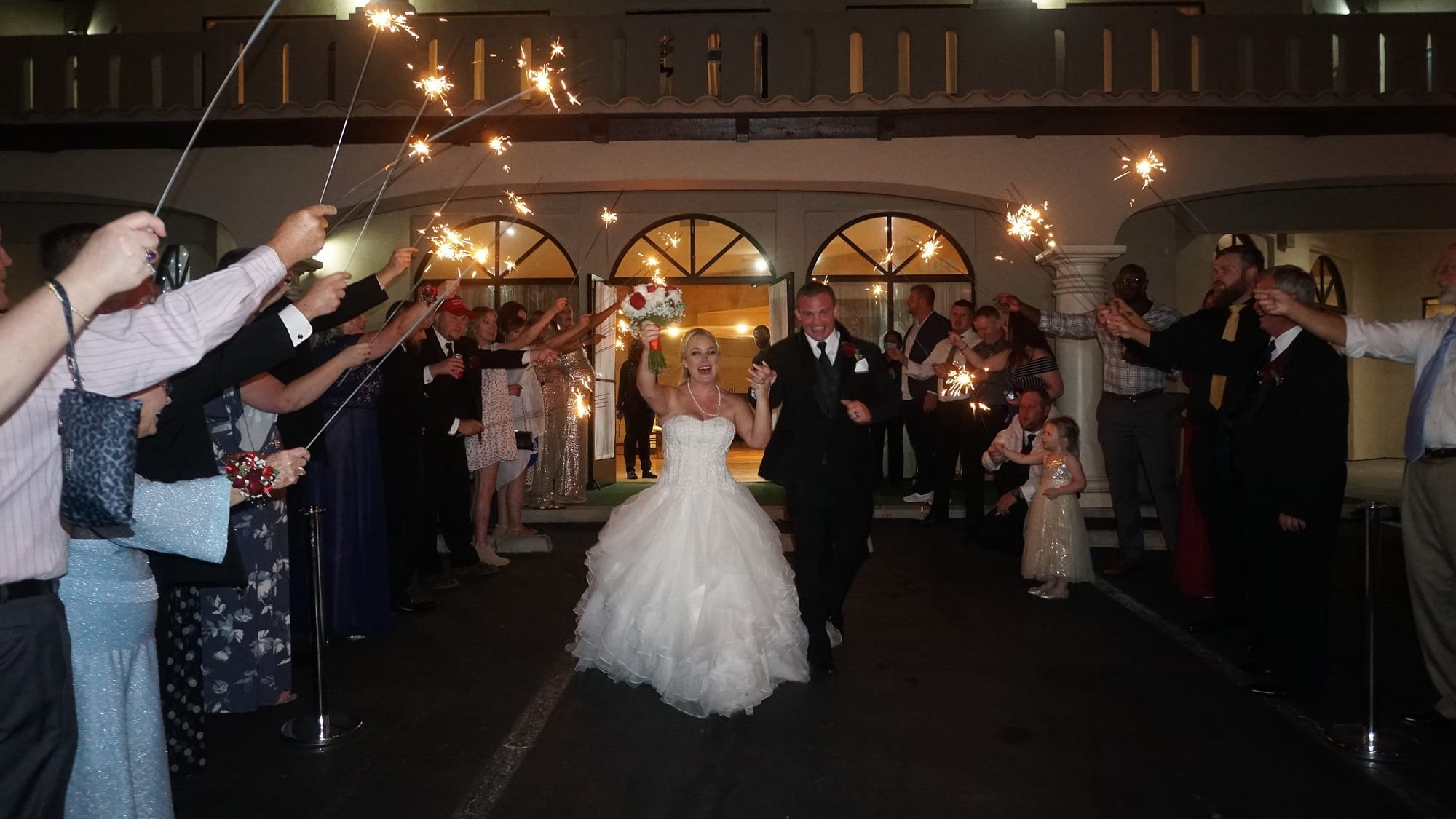
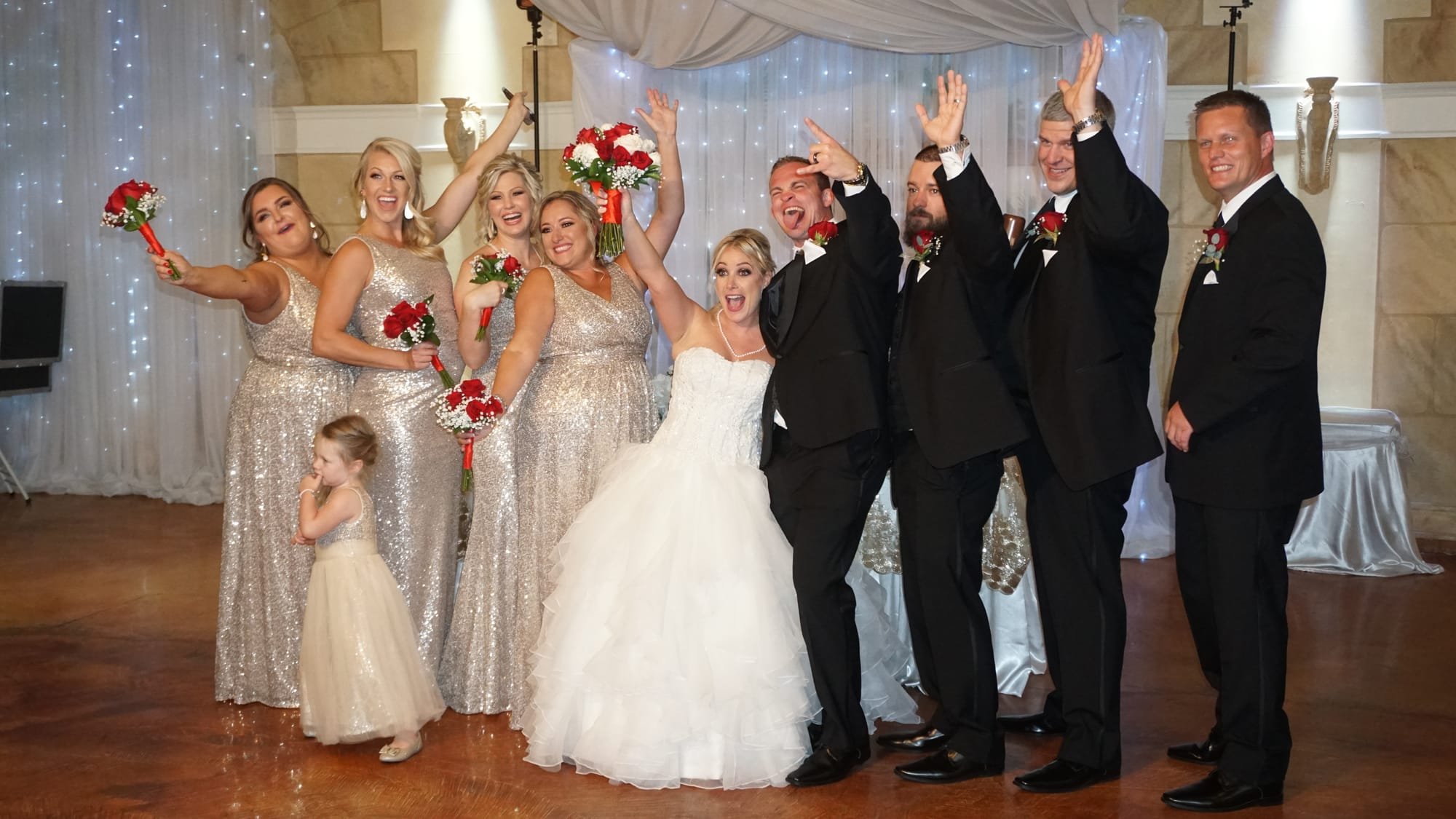
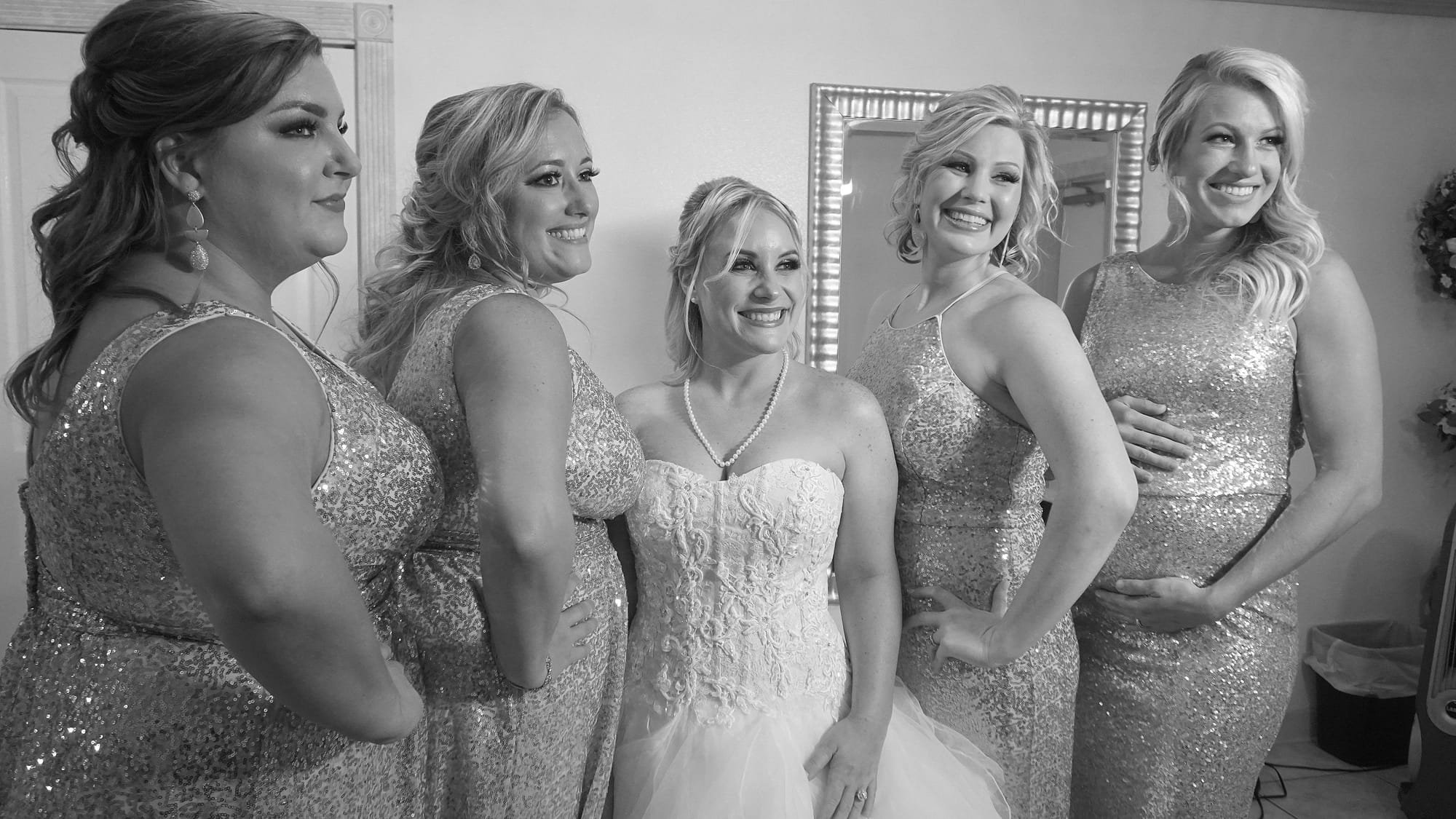
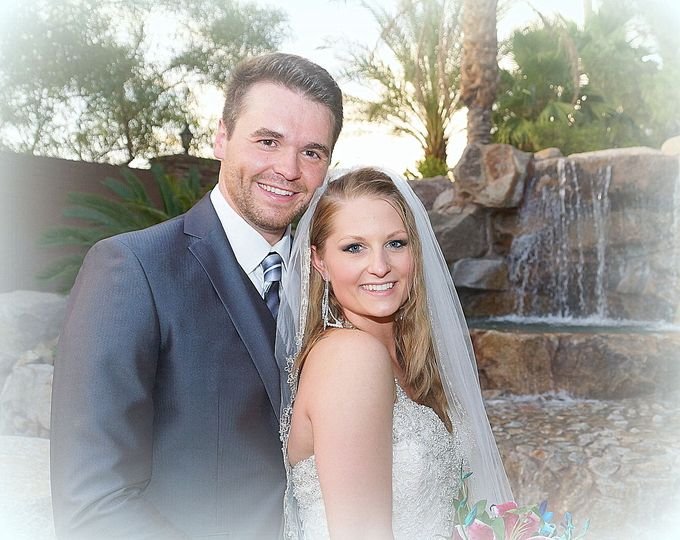

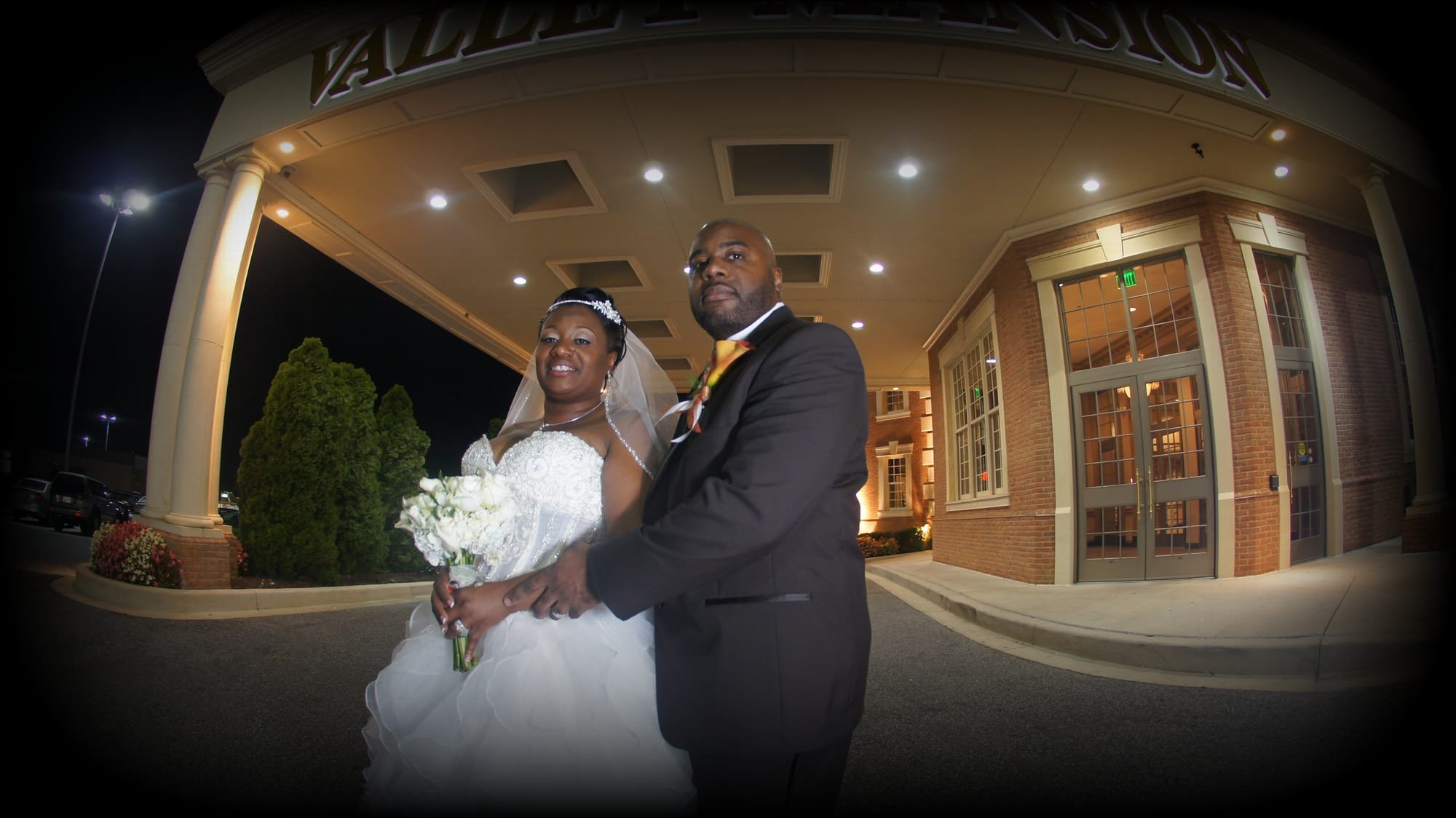

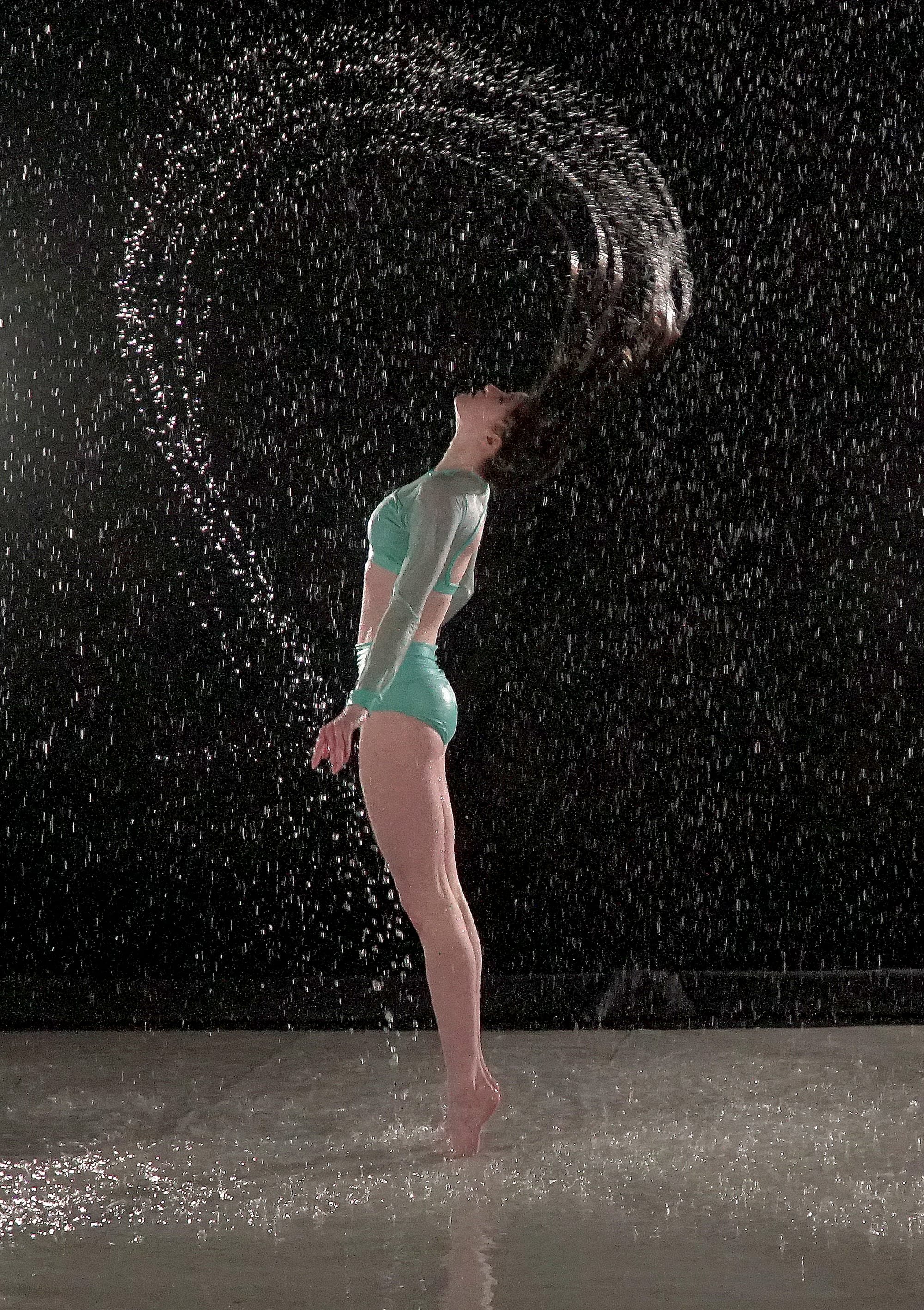
About Me
FOR YOUR EVENT COVERAGE ASSISTANCE.
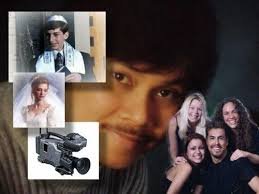
Years of experience in Photography & Video
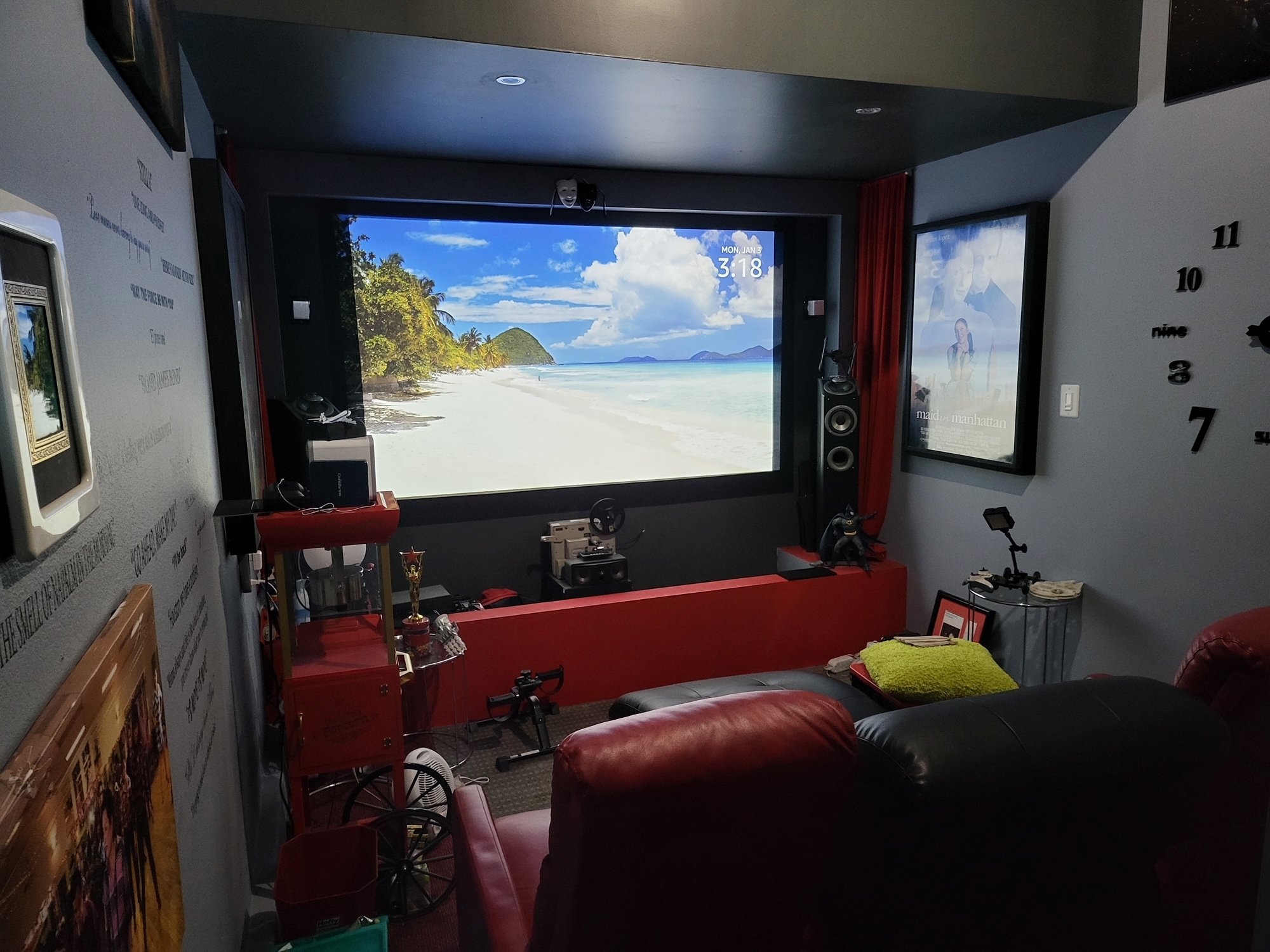
VATcave (VideoAudioTV)
Create/Transform your basement into an elegant Home Theater.
An ultimate entertainment getaway for your family and friends.
CALL FOR DETAILS. Free design and tailored cost specifications available on request.
410.491.6237 or 702.955.4340. Messages will be answered promptly.
Leave your contact information or email address for a swift personalized response.
Years of experience in Photography & Video
- Main camera and B-Roll with State of the Art equipment.
- Switched Multi-camera capability. Swift delivery of finished projects.
- Available in multiple formats: 1080p HD, 4K, Photobooks/Albums, Social media.
- Pre-production Engagement/Love Stories for wedding clients.
- Same day edits or Creative post production.
- Big Screen Presentations at event or Live Streaming on You Tube or Social Media.
- Drone service.
- Corporate work or Gala Events
VATcave (VideoAudioTV)
Create/Transform your basement into an elegant Home Theater.
An ultimate entertainment getaway for your family and friends.
- Immersive high definition audio system.
- Surround Sound with Dolby Atmos.
- Giant Screen up to 150" or more. Brilliant HD/4K projectors.
- Theater seating with recline function, beverage, remote controls and phone caddy/chargers.
- Decorative movie posters and ambient LED lighting.
- Star ceiling, wall sound absorbers for lifelike sound reproduction.
- Amenities: Popcorn machine, Coffee/Soda bar, candy shelves, etc.
- Game room and video game nooks
CALL FOR DETAILS. Free design and tailored cost specifications available on request.
410.491.6237 or 702.955.4340. Messages will be answered promptly.
Leave your contact information or email address for a swift personalized response.
ELEVATE YOUR EXPECTATIONS
"Your video is as individual as you are..Reflecting your personality and family traditions. True artistry in Photography and Video is what makes your video in first class"
ERIC TOMAKIN cinematographer https://vimeo.com/394672491
Contact
- Las Vegas, Nevada, United States